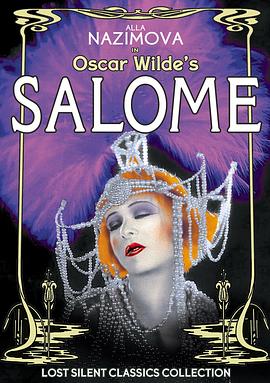
Salomé (1923), a silent film directed by Charles Bryant and starring Alla Nazimova, is a film adaptation of the Oscar Wilde play of the same name. The play itself is a loose retelling of the biblical story of King Herod and his execution of John the Baptist (here, as in Wilde's play, called Jokaanan) at the request of his stepdaughter, Salomé, whom he lusts after. Salomé is often called one of the first art films to be made in the U.S.[citation needed] The highly stylized costumes, exaggerated acting (even for the period), minimal sets, and absence of all but the most necessary props make for a screen image much more focused on atmosphere and on conveying a sense of the characters' individual heightened desires than on conventional plot development. Despite the film being only a little over an hour in length and having no real action to speak of, it cost over $350,000 to make. All the sets were constructed indoors to be able to have complete control over the lighting. The film was shot completely in black and white, matching the illustrations done by Aubrey Beardsley in the printed edition of Wilde's play. The costumes, designed by Natacha Rambova, used material only from Maison Lewis of Paris, such as the real silver lamé loincloths worn by the guards. No major studio would be associated with the film, and it was years after its completion before it was released, by a minor independent distributor. It was a complete failure at the time and marked the end of Nazimova's producing career. A longstanding rumor, which seems to have started while the film was still in production, suggests that its cast is comprised entirely of gay and bisexual actors in an homage to Oscar Wilde, as per star and producer Nazimova's demand. It is, of course, impossible to say, but one of the extras in Salomé reported that a number of the cast members—both featured and extras—were indeed gay, but not an unusual percentage of them, and certainly not all of them. What can be said is that Nazimova herself was a lesbian, the two guard characters (who, next to Salomé, have the most screen time) are at least played very stereotypically gay, and several of the female courtiers are men in drag. Salomé was screened in 1989 at the New York International Festival of Lesbian and Gay films and in 1990 at the New York Gay Experimental Film Festival. In 2000, the United States Library of Congress deemed the film culturally significant and selected it for preservation in the National Film Registry.
葛洛莉亚(朱丽安·摩尔 Julianne Moore 饰)曾经有过一段失败的婚姻,但是这段经历并没有让她对生活和爱情失去希望,正相反,如今的葛洛莉亚觉得自己比从前变得更好了。平日里,葛洛莉亚喜欢去一间舞蹈俱乐部跳舞,在那里,葛洛莉亚邂逅了名为亚诺(约翰·特托罗 John Turturro 饰)的男子。 和葛洛莉亚一样,亚诺刚刚和妻子离婚了,他有一个孩子,跟着前妻生活。相似的经历让葛洛莉亚和亚诺之间很快就碰撞出了爱情的火花,很快两人就走到了一起。然而,激情退却之后,两人之间的问题也渐渐浮现。虽然亚诺和妻子离婚了,但很显然这个女人并不能适应没有亚诺的生活,她的阴魂不散成为了葛洛莉亚和亚诺两人的关系里埋藏的一颗定时炸弹。
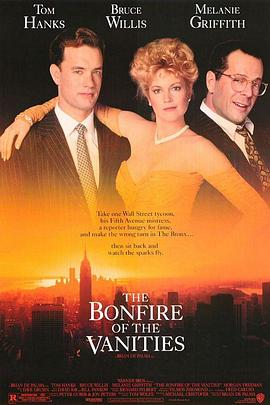
奢曼(汤姆·汉克斯 Tom Hanks 饰)是在华尔街工作的金融精英,他拥有着一份收入丰厚的工作,一位娇俏可人的妻子,每天西装革履出入高级场所,可谓过着十分体面的生活,堪称典范。然而实际上,奢曼有着自己的秘密,他一直不忠于自己的妻子,有着一位情人。
一天,奢曼像往常一样同自己的情妇幽会,两人开着车行驶在高速公路上,没想到竟然撞到了一个孩子。因为害怕自己的出轨和行踪暴露,奢曼决定逃离事故现场,可是,一位狡猾而又贪婪的小报记者目击了这一切,并记下了奢曼的车牌号。奢曼的生活就此被彻底的改变了。
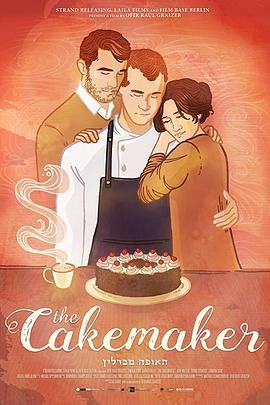
汤马斯(提姆·卡尔克霍夫 Tim Kalkhof 饰)是一名年轻的蛋糕师傅,某日,他邂逅了英俊帅气的欧伦(罗伊·米勒 Roy Miller 饰),两人很快就走到了一起。实际上,欧伦在耶路撒冷已有家室,只是和妻子聚少离多。 一天,汤马斯意外的收到了欧伦的死讯,心碎欲绝的他做出了一个大胆的决定,那就是前往耶路撒冷去探访欧伦的妻子。在那里,汤马斯见到了这个同样伤心的女人安娜(莎拉·埃德勒 Sarah Adler 饰)。汤马斯隐瞒了自己的真实身份,留在了安娜所经营的咖啡店里打工,哪知道他做甜品的手艺很快就获得了当地居民们的喜爱,安娜也对这个男人日渐亲近起来。
“I'm fine with it.” – “Yeah, well, I am not.”
After transitioning, it seemed easier for Fe?a to simply cut all ties with his past. Dealing with the changes was painful enough, let alone his family’s reaction. But when Fe?a runs into an ex-boyfriend, receives an unexpected visit from his little sister and finds his Chilean father trying to reconnect with him, their lives are sud...