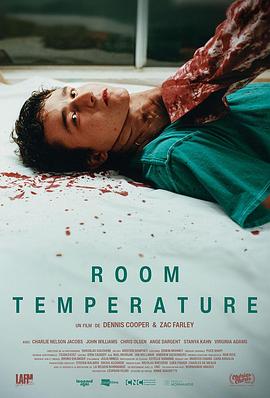
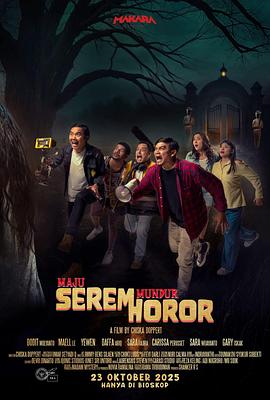
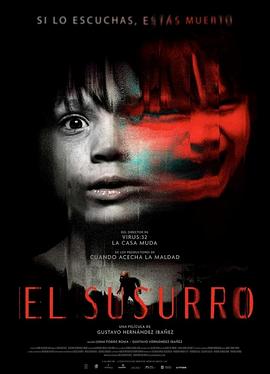
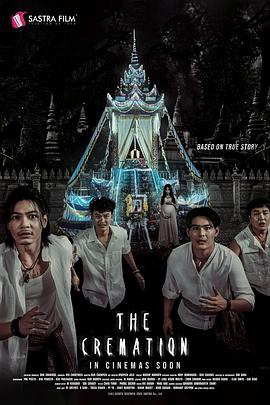
Every year, a family home is turned into a haunted house. The purpose is not only to be as terrifying as possible, but also to create a spectacular attraction to draw the neighbours in. In response to some criticism, the father commits irreparable damage.
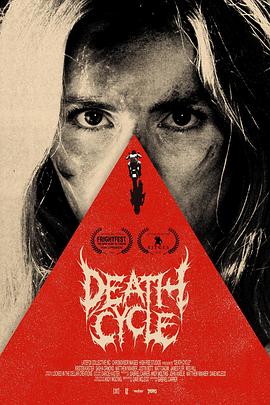
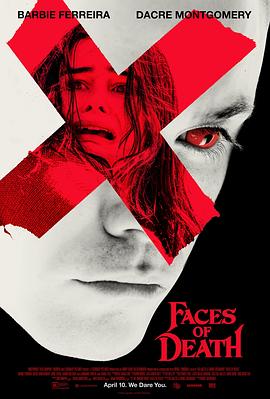
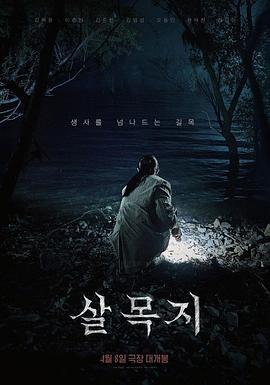
After the death of her sister, a woman is visited by a man looking to solve a series of murders by a motorcycle maniac. As their shared fear grows, the killer's rampage continues, leaving them both questioning who the real monster is.
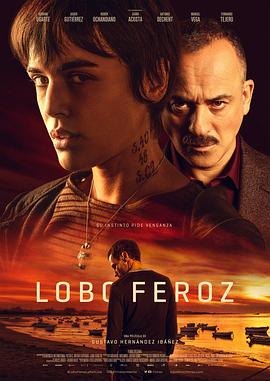
“Lobo Feroz is a loose, revitalised adaptation of Big Bad Wolves. There were many changes that we made when you compare it to the original, given that we added new characters, plot strands and locations, and we introduced and fleshed out new themes teetering between dark comedy and police thriller. The film questions one’s principles, human behaviour and how ambiguous it can be,” the director explained to Cineuropa. “I’m very happy to be able to work with a dream Spanish cast, where everyone demonstrates their enormous talent and commitment in every scene and through every single detail.”
The screenplay for the movie – written by Juan Manuel Foode Roma and Eva María Alonso Moreno – follows a police officer on the fringes of the law and a woman seeking revenge. Their paths cross, as they are obsessed with discovering the identity of the murderer behind a string of brutal crimes involving various girls. They are both willing to do whatever it takes to secure a confession, even though they will have to take the law into their own hands in order to do so. At the same time, a model detective will do his utmost to avoid irreparable errors being made and to ensure that this desperate search for the truth does not transform into the fiercest of wolves.
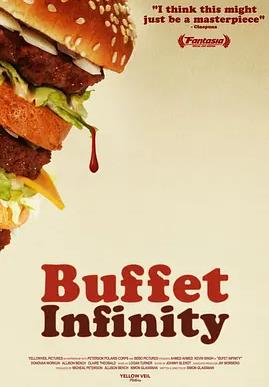
First-time feature director and award-winning comedian Simon Glassman comes to Fantasia with the cosmic horror, BUFFET INFINITY! Picking from hundreds of hours of original, low-budget TV ads, Glassman tells the sinister tale of two restaurants battling it out in the town of Westridge County. Insurance ads, used car rivals, and plugs for a local religious scholar and recording artist, Langdon P. Hershey, all converge to tell the story of an expanding sinkhole, a cult, and an ever-growing restaurant that becomes unsettlingly sentient.
Fleeing from their violent father, siblings Luci?a and Adria?n take refuge in a remote mansion. With the help of a hidden micro-camera on a cat, Luci?a uncovers a terrifying secret: their neighbors are part of a criminal network that kidnaps teenage girls to make snuff films, and they intend to get rid of the siblings. As Lucía fights to protect her brother, she must face a dark family curse that follows them into their newfound sanctuary.
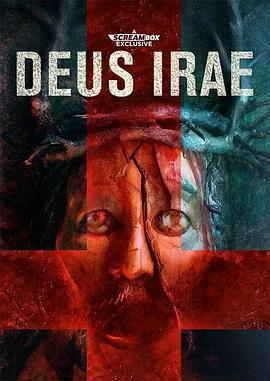
When, at the beginning of Deus Irae, Father Javier stares at a crucifix, his expressions and his hands suggest that the nerves are consuming him. A flashback reveals that this priest devotes his life to visiting families that claim to have seen things that do not belong to this world and cleansing their homes from the demons that try to possess them. But, upon returning to those houses, he notices that the evidence is always destroyed. This way, he discovers that a clan is after him, and must decide whether to hide from them or join them. In times when horror cinema tends to fall into the hands of directors that seek to build narratives that are introspective and close to reality, Pedro Cristiani goes back to old-school horror, where gore and the physical experience are above any other kind of feeling. A cinema that places the camera in front of the faces of the bloodiest demons and, instead of giving logic to them, chooses to face them whatever the cost.